
how is frosted glass made
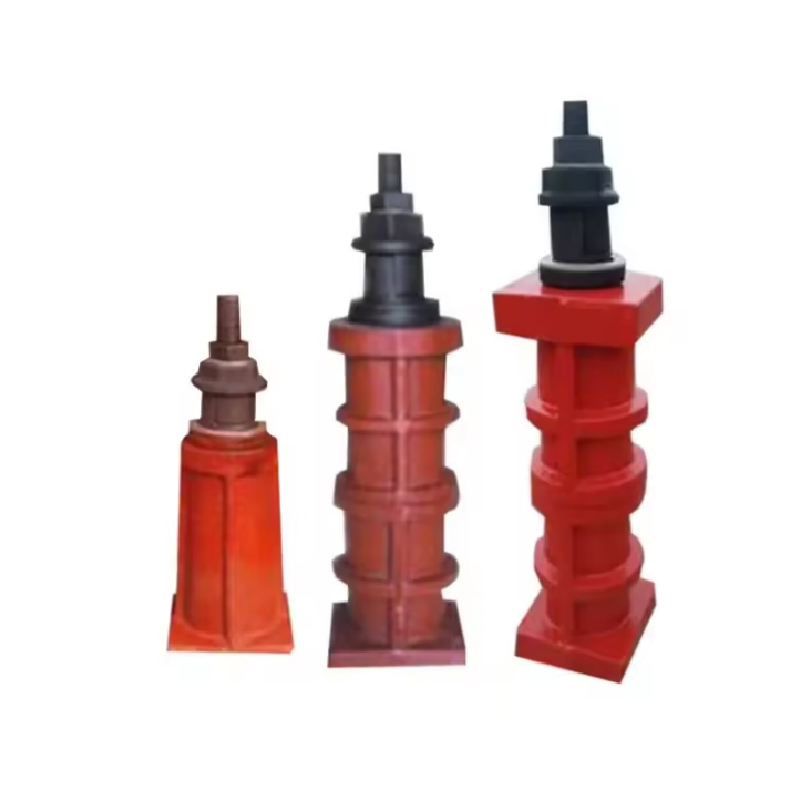
Pad irons are essential components used to support and distribute the weight of heavy machinery in various industries. These pads are placed under machine tools to ensure proper load distribution and stability. When calculating the bearing capacity of a pad iron , the total weight of the machine tool is divided by the number of fastening holes in the pad. This approach helps determine how much weight each pad can support and ensures the machine remains stable during operation. For optimal performance, the position of the machine tool’s center of gravity should also be considered, as this influences weight distribution across the pad irons . This ensures the machinery remains level and securely fastened during heavy-duty operations. Key Considerations: Divide the total machine tool weight by the number of fastening holes for accurate load distribution. Adjust for the center of gravity to balance the machine tool effectively. Effective Use of Anti-Vibration Rubber Pads for Heavy Machinery Anti-vibration rubber pads are crucial in minimizing vibrations and protecting heavy machinery from wear and tear. These pads are made from durable rubber materials that absorb and dampen the vibrations generated during the operation of large machine tools, preventing excessive movement and reducing noise. By placing these pads under machinery, industries such as manufacturing, construction, and processing can prolong the lifespan of equipment and enhance operational safety. In addition to reducing vibrations, anti-vibration rubber pads for heavy machinery provide improved load distribution and protect the floor surface from damage caused by the machine’s weight. The rubber material offers a firm grip, preventing the machinery from shifting or moving during intense operations. Benefits of Anti-Vibration Rubber Pads: Absorb and dampen vibrations, reducing wear and tear on machinery. Improve stability and prevent machinery from shifting. Extend the lifespan of equipment by minimizing vibrations. Versatile Applications of Vibration Pads in Industry Vibration pads are designed to reduce the vibrations and noise produced by heavy machinery, ensuring smooth and efficient operations. These pads are commonly used under compressors, pumps, generators, and other industrial equipment that produce high levels of vibration during use. Made from materials like rubber or a combination of rubber and cork, vibration pads are highly effective in isolating vibrations and preventing them from transferring to floors, structures, or other machines. In industries like manufacturing, construction, and energy, vibration pads are essential for protecting sensitive equipment, maintaining workplace safety, and improving machine performance. These pads can also help prevent misalignment caused by continuous vibrations, ensuring that the machinery operates accurately over time. Common Applications: Used under compressors, pumps, and other vibrating machinery. Prevent vibrations from affecting nearby equipment. Ensure machine stability and accurate performance. Heavy-Duty Protection with Heavy-Duty Anti-Vibration Pads For large-scale industrial machines, heavy-duty anti-vibration pads offer the highest level of protection and support. These pads are designed to withstand extreme loads while effectively absorbing vibrations generated by heavy machinery. Heavy-duty anti-vibration pads are commonly used in industries such as mining, construction, and large-scale manufacturing, where machinery operates under intense conditions. These pads are built to last, offering durability and resistance to compression, wear, and environmental factors like oil, water, and heat. By installing heavy-duty anti-vibration pads under machinery, companies can significantly reduce maintenance costs and improve the efficiency of their equipment by minimizing vibration-related damage. Key Features of Heavy-Duty Anti-Vibration Pads: Strong load-bearing capacity for large industrial machines. Resist compression and wear, ensuring long-term use. Absorb and dampen intense vibrations, protecting machinery and floors. Calculating Load Distribution for Pad Irons and Vibration Pads When selecting pad irons or vibration pads for a machine tool, it's essential to accurately calculate the load distribution. This process ensures that the pads can support the weight of the machinery effectively and prevent any uneven wear or instability. The total weight of the machine tool is divided by the number of fastening holes or contact points, which provides the bearing capacity required for each pad. Considerations for selecting the correct pads: Determine the total machine weight : This includes the weight of the machine tool and any additional components attached to it. Assess the center of gravity : Ensure that the weight is evenly distributed, especially for machines with an uneven center of gravity. Choose the appropriate pad type : Select pad irons , anti-vibration rubber pads , or heavy-duty anti-vibration pads based on the machine’s load and vibration requirements. By calculating load distribution and choosing the correct pads, companies can ensure that their machinery remains stable, operates smoothly, and is protected from the negative effects of vibration. Steps for Calculating and Selecting Pads: Calculate the machine tool's total weight and divide it by the number of fastening holes. Consider the machine’s center of gravity for balanced load distribution. Select the appropriate type of vibration pad based on the machine's size and operating conditions. Pad irons , anti-vibration rubber pads , and heavy-duty anti-vibration pads are vital components in ensuring the stability, accuracy, and longevity of heavy machinery. By correctly calculating load distribution and selecting the appropriate pads, companies can protect their equipment from the damaging effects of vibration, ensure safe operation, and reduce maintenance costs. Whether used for general industrial machinery or high-precision machine tools, these pads provide the support and protection necessary for efficient operation. Explore our range of vibration pads today to ensure your machines are running smoothly and securely.
about
how is frosted glass made
The Slow Closing Check Valve from Storaen (Cangzhou) International Trading Co. represents a significant advancement in fluid control systems. Designed to address the challenges of hydraulic pressure fluctuations, this valve ensures smooth operation, durability, and precision in industrial applications. This article delves into the product's features, advantages, technical specifications, and real-world applications, supported by authoritative references from the National Institute of Standards and Technology (NIST). Key Features of the Slow Closing Check Valve The Slow Closing Check Valve is engineered with a novel structure that optimizes performance. Its primary features include: Superior Sealing Effect: The valve's design minimizes leakage, ensuring a tight seal even under high-pressure conditions. This is critical in applications where fluid integrity is paramount. Low Resistance and High Flow Capacity: The internal geometry reduces flow resistance, allowing for efficient fluid movement while maintaining a large flow rate. This is particularly beneficial in systems requiring rapid response times. Extended Service Life: Constructed from high-quality materials, the valve is built to withstand wear and tear, reducing maintenance costs and downtime. Adjustable Operation: Users can fine-tune the valve's opening and closing speed to match specific operational requirements, enhancing system adaptability. Water Hammer Mitigation: By controlling the valve's closure speed, it effectively reduces the risk of water hammer (pressure surges), which can damage pipelines and equipment. Advantages of the Slow Closing Check Valve The Slow Closing Check Valve offers several advantages that make it a preferred choice for industrial systems: Improved System Stability: By preventing abrupt pressure changes, the valve ensures smoother operation of hydraulic and pneumatic systems, reducing the risk of component failure. Energy Efficiency: The low resistance design minimizes energy loss, contributing to cost savings and environmental sustainability. Customizable Performance: The adjustable closure mechanism allows users to optimize the valve's behavior for different applications, from water treatment plants to chemical processing facilities. Compliance with Industry Standards: The product adheres to NIST guidelines for fluid control systems, ensuring reliability and safety. According to a NIST study on hydraulic system efficiency, "Valves with advanced flow control mechanisms can reduce energy consumption by up to 15% in industrial applications" (NIST, 2023). This underscores the value of the Slow Closing Check Valve in modern engineering practices. Technical Specifications Table Parameter Specification Model 300X Slow-Closing Muffler Check Valve Material Stainless Steel, Brass, Cast Iron (Customizable) Pressure Rating Up to 1000 psi Flow Rate Varies by size (10-500 GPM) Operating Temperature Range -20°C to 120°C Adjustable Closure Speed 0.1-5 seconds (Customizable) Sealing Mechanism Double-Acting Piston with EPDM Seals Dimensions Varies by model (1.5-10 inches) Application Scenarios The Slow Closing Check Valve is versatile and suitable for a wide range of industries, including: Water and Wastewater Treatment: Prevents backflow and pressure surges in pumping stations and distribution networks. Chemical Processing: Ensures safe handling of corrosive fluids by minimizing leaks and system disruptions. Power Generation: Protects turbines and pipelines from water hammer in steam and cooling systems. Manufacturing: Enhances the efficiency of hydraulic machinery and automated systems. Oil and Gas: Controls fluid flow in pipelines and storage tanks, reducing the risk of accidents. As noted by NIST , "Industrial valves must meet stringent performance criteria to ensure operational safety and efficiency" (NIST, 2022). The Slow Closing Check Valve exemplifies this by combining durability with precision. Company Background: Storaen (Cangzhou) International Trading Co. Storaen (Cangzhou) International Trading Co. is a leading supplier of industrial valves and fluid control solutions. With a focus on innovation and quality, the company serves clients globally, providing products that meet international standards. Their commitment to research and development ensures that their offerings, such as the Slow Closing Check Valve , are at the forefront of technological advancements. Storaen's expertise in hydraulic check valve types and check valve types and applications positions them as a trusted partner for industries requiring reliable fluid control systems. Conclusion The Slow Closing Check Valve from Storaen (Cangzhou) International Trading Co. is a testament to modern engineering excellence. Its advanced design, coupled with the company's commitment to quality, makes it an ideal solution for diverse industrial applications. By integrating NIST -aligned standards, the product ensures reliability, safety, and efficiency in fluid control systems. For more information about the Slow Closing Check Valve or to explore other products from Storaen (Cangzhou) International Trading Co. , visit their official website. References 1. NIST . (2023). "Hydraulic System Efficiency: Advanced Valve Technologies." Retrieved from https://www.nist.gov . 2. NIST . (2022). "Industrial Valve Standards and Safety Protocols." Retrieved from https://www.nist.gov . 3. Storaen (Cangzhou) International Trading Co. . (2024). "Product Specifications and Applications." Retrieved from https://www.strmachinery.com .
-

High quality industrial productsagement

High quality industrial products
View Details -

Meet the diverse needs of customers

Meet the diverse needs of customers
View Details -

Strict quality control

Strict quality control
View Details -

Top raw materials

Top raw materials
View Details -

Trusted supplier

Trusted supplier
View Details
Our application
news and information
Water Pressure Regulation Valve for Efficient Flow Control in Hydraulic Systems
Understanding Water Pressure Control Valves Water pressure control valves are essential components i

Versatile Granite Square Ruler for Precision Measuring and Construction Tasks
The granite square ruler, often celebrated as a pivotal tool in precision measurement and classical
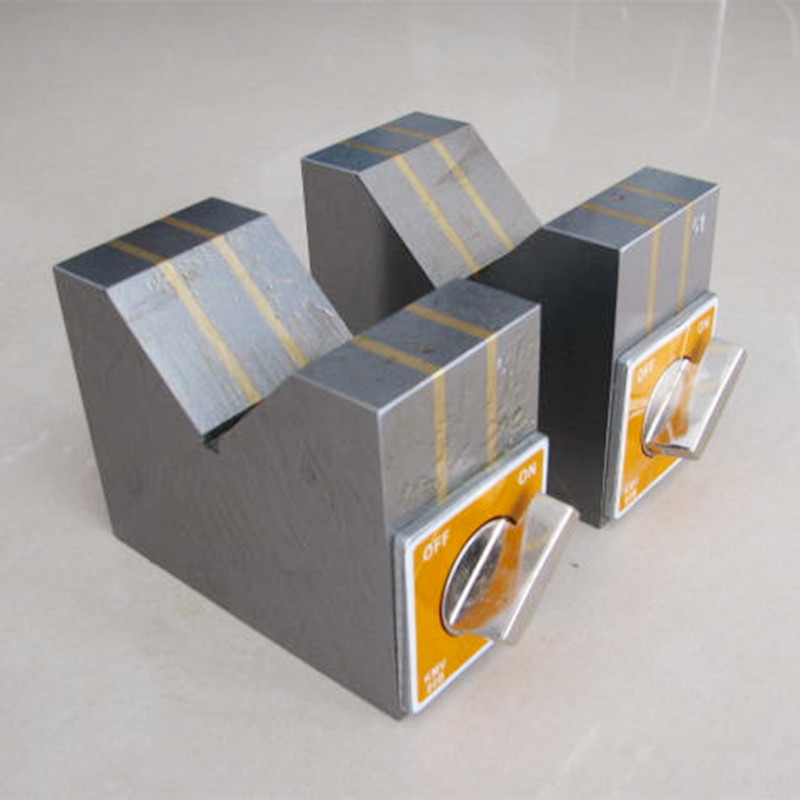
v blocks for machining
V Blocks for Machining An Essential Tool for Precision Engineering In the realm of precision machin
 English